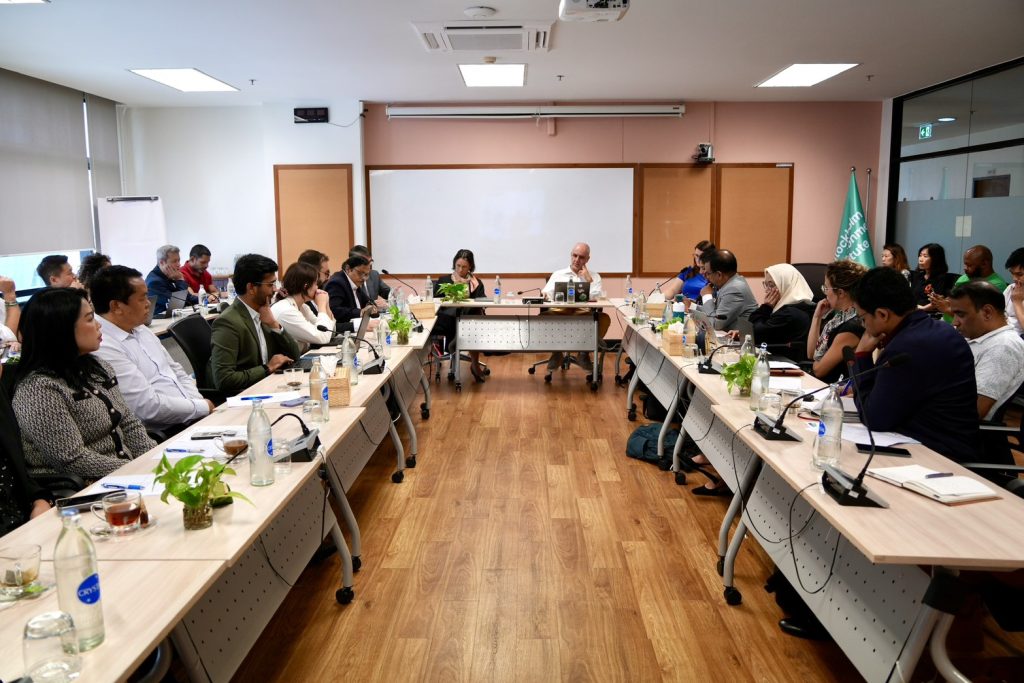
The Asia-Pacific Rural and Agricultural Credit Association (APRACA), MicroSave Consulting (MSC) and the Stockholm Environment Institute (SEI) jointly convened an expert-level policy dialogue on “Mobilizing Climate Finance for Climate Resilient Development: South Asia to Southeast Asia Collaboration”. The dialogue took place on 6 October 2026 at the SEI Asia office in Bangkok, as part of
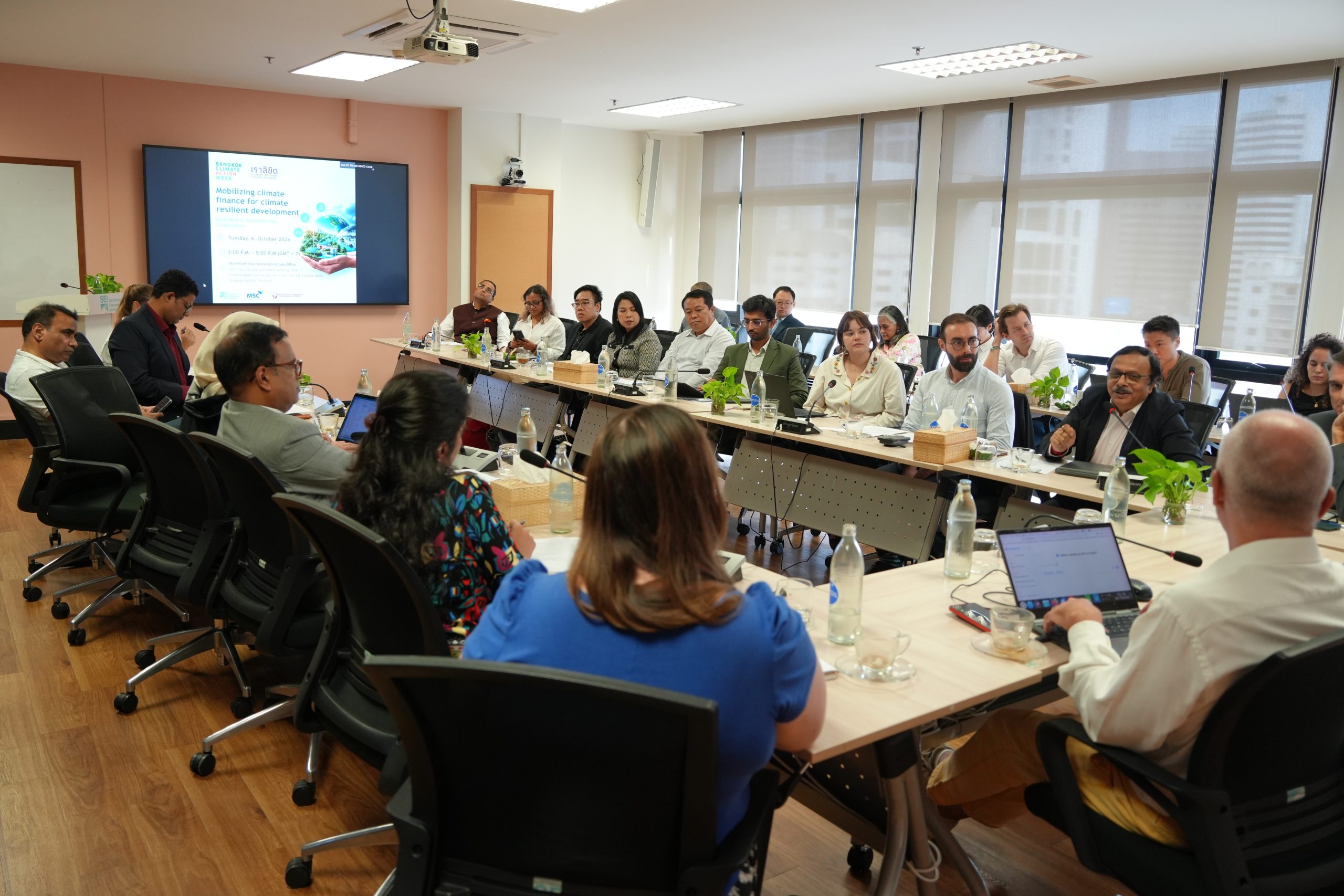
The Asia-Pacific Rural and Agricultural Credit Association (APRACA), MicroSave Consulting (MSC) and the Stockholm Environment Institute (SEI) jointly convened an expert-level policy dialogue on “Mobilizing Climate Finance for Climate Resilient Development: South Asia to Southeast Asia Collaboration”. The dialogue took place on 6 October 2026 at the SEI Asia office in Bangkok, as part of Bangkok Climate Action Week (BKKCAW) 2026.
The event brought together participants from research organizations, development partners, non-governmental organizations, private sectors, regional organizations, and financial institutions. They discussed how climate finance can be mobilized at greater scale and reach vulnerable communities. The dialogue drew on evidence from the Inclusive Climate Finance for Vulnerable Communities in Asia Pacific (ICCAP) initiative, implemented across Bangladesh, Bhutan, Cambodia, Fiji, Lao PDR, and Nepal.
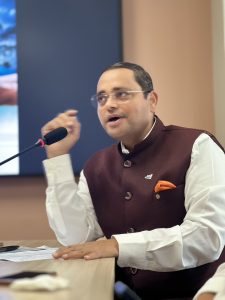
The session opened with welcome remarks by Dr. Prasun Kumar Das, Secretary General of APRACA. He highlighted the importance of regional cooperation and inclusive climate finance in strengthening the resilience of rural and agricultural communities.
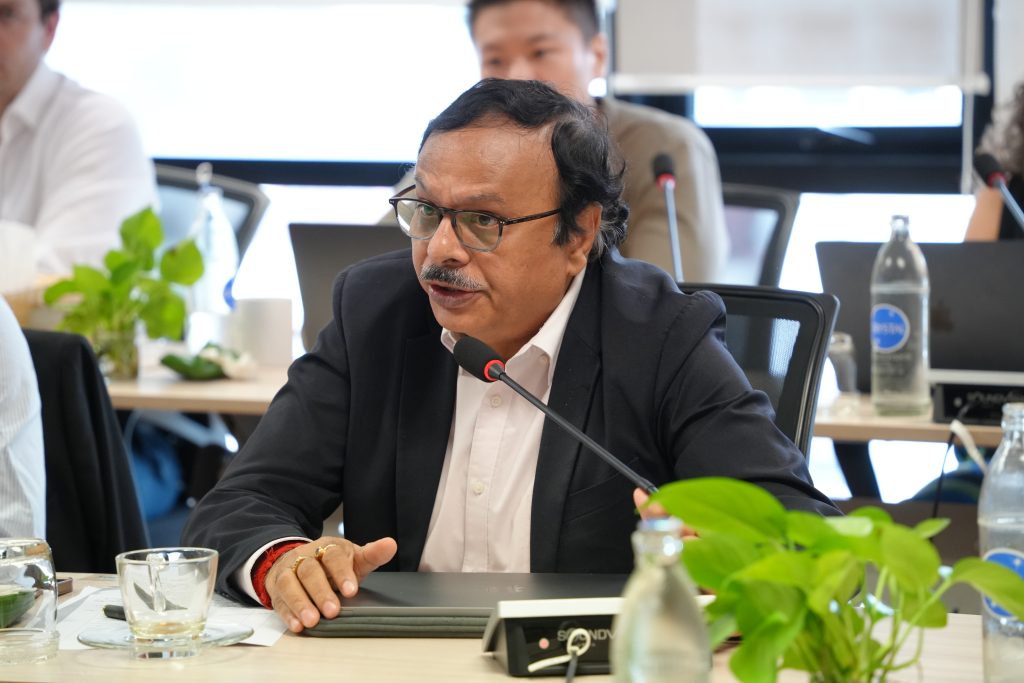
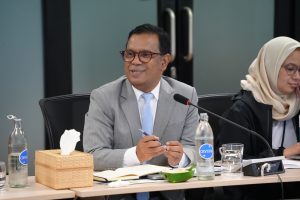
The panel discussion was moderated by Ms. Sonakshi Saluja, Senior Manager, Climate Change and Sustainability, MSC. The panelists were:
- Mr. Georgii Nikolaenko, Knowledge Management Specialist for Agriculture and Climate Change, FAO
- Ms. Megan Elizabeth Sullivan, Project Manager, Investment and Innovation Division, UN ESCAP
- Mr. Jeremy Davis, Senior Advisor, Eco Dev Solutions
- Mr. Aslam Parwaiz, Executive Director, Asian Disaster Preparedness Center (ADPC)
 |
 |
 |
 |
Discussions centred on the widening gap between adaptation finance needs and available resources in Asia and the Pacific, and on the barriers that prevent finance from reaching vulnerable communities in the six ICCAP countries. Drawing on evidence emerging from ICCAP’s policy and regulatory analysis, panelists and participants examined how blended finance, concessional capital, guarantees and other risk-sharing instruments can be scaled to mobilize additional resources. They also discussed what financial service providers and private investors require to get involved, so that adaptation investments can become more feasible and attractive to banks.
A key focus was South–South collaboration between South Asia and Southeast Asia. Participants shared perspectives on which policy reforms, institutional arrangements and financing models can be shared, adapted and replicated across countries facing similar climate and development challenges. Panelists also reflected on best practices for mobilizing private finance for adaptation in different countries.
The discussion further emphasized embedding gender equity and social inclusion into climate finance and financial product design from the outset. Participants highlighted the need to ensure that women, smallholder farmers, rural communities, and other marginalized groups, who are ICCAP’s primary beneficiaries, are considered in the design and delivery of financial solutions.
The dialogue concluded with closing remarks by Mr. Akhand Tiwari, Senior Partner, MSC. He summarized the key messages and highlighted opportunities for continued regional cooperation and policy engagement.
The event reaffirmed the importance of collaboration among financial institutions, policymakers, development partners, private investors, and communities. It aims to ensure that climate finance is mobilized at scale and reaches the people who need it most.